Geopolitics is driving up diesel prices: what it means for your fleet
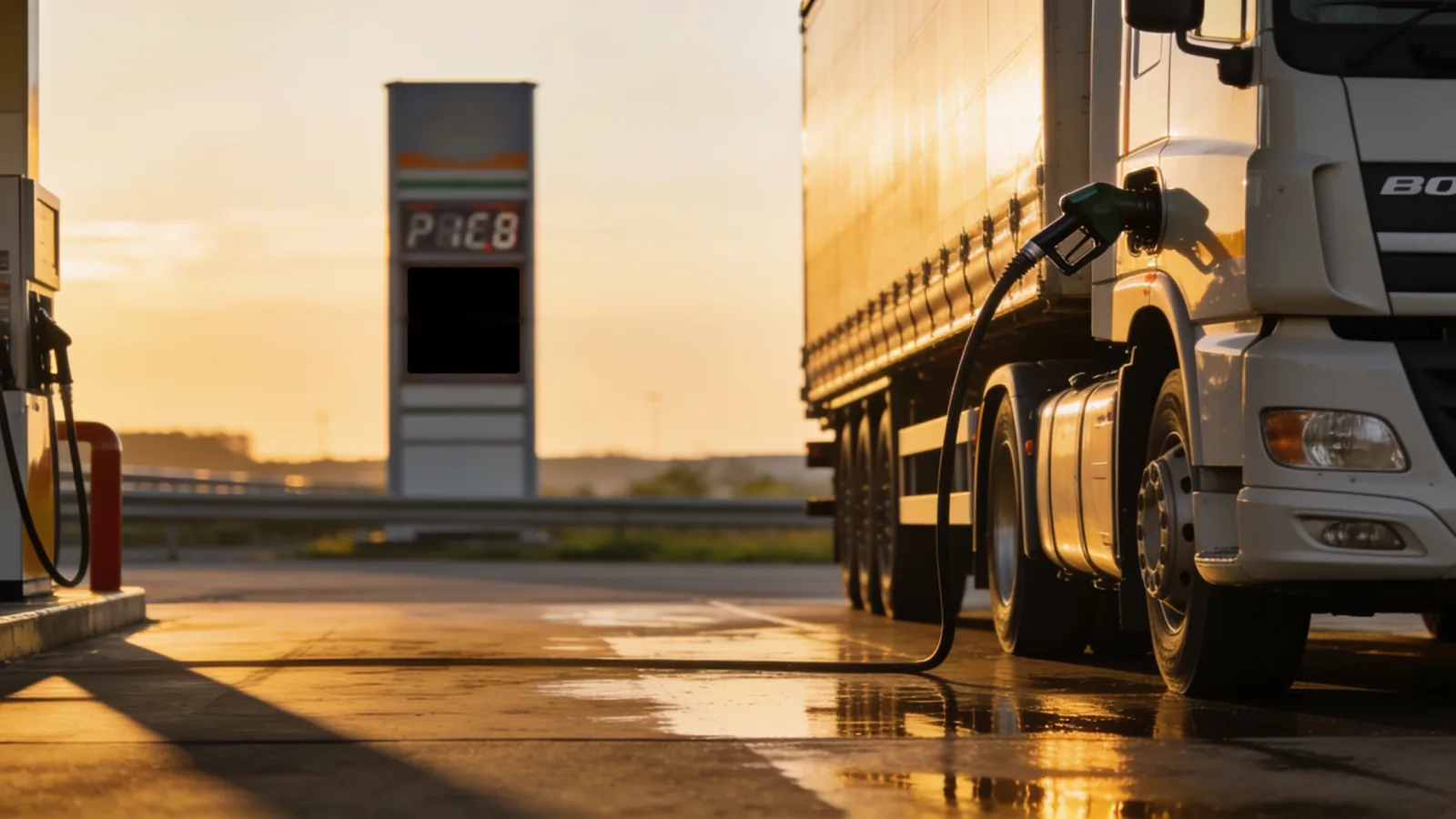
Diesel prices shot up this spring due to tensions in the Middle East. What does this volatility mean for transport operators, and how do you hedge against it?

For anyone driving internationally, 2026 brings a series of regulatory changes. Both the tachograph requirements and the way you pay tolls are changing. And as with the truck charge, the emission class plays an ever greater role in what you end up paying. An overview.
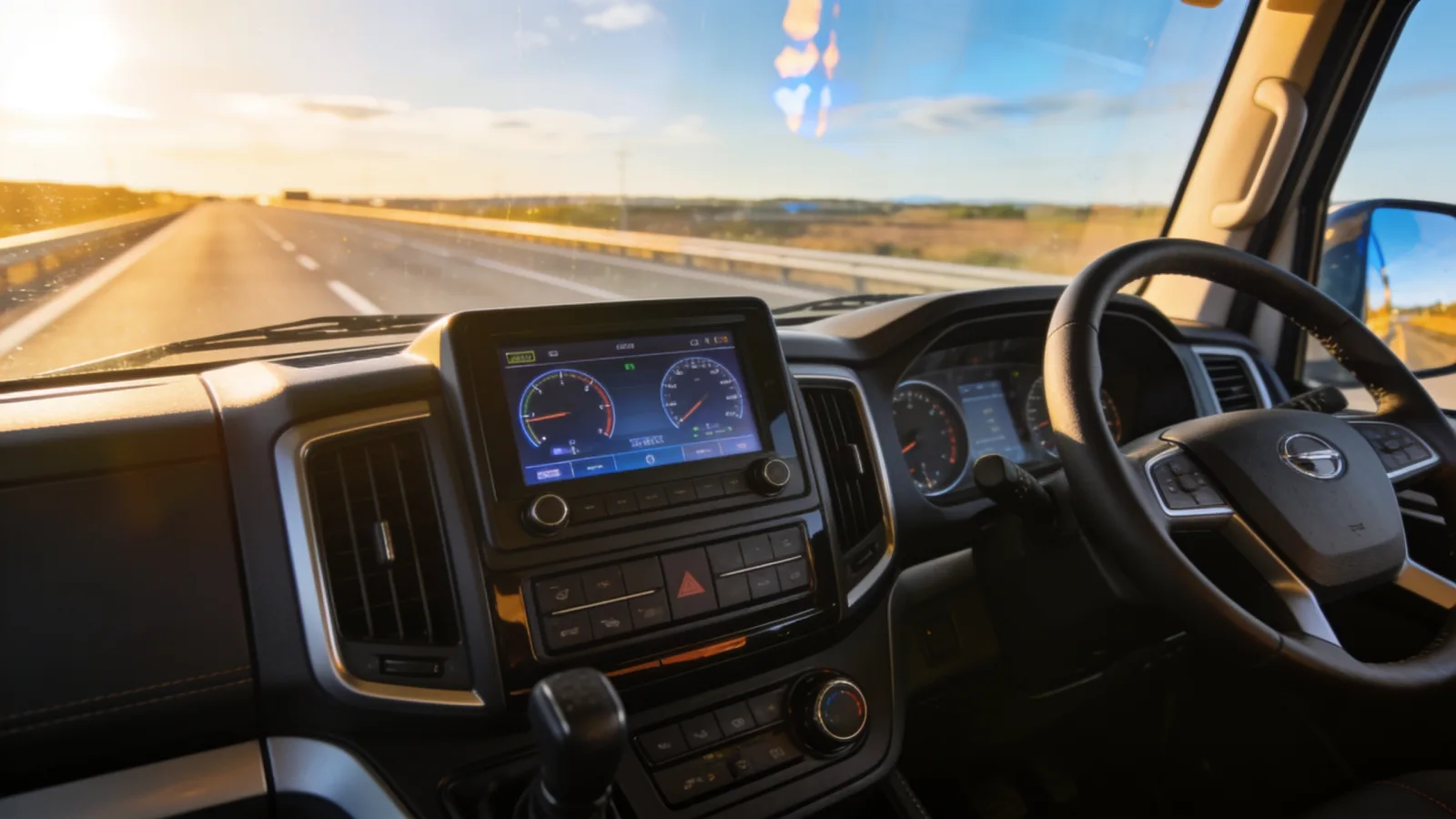
The rollout of the second-generation smart tachograph (smart tacho 2) is in full swing. Vehicles engaged in international transport that still had an analogue or digital tachograph had to be retrofitted by the beginning of 2025; those with a first-generation smart tachograph, by August 2025. The next step follows now: from 1 July 2026, the requirement also applies to vehicles driving internationally from 2,500 kilograms, which means lighter commercial vehicles also fall under the rules. In addition, newly registered vehicles have had to support the secure Galileo signal (OSNMA) since the end of December 2025.
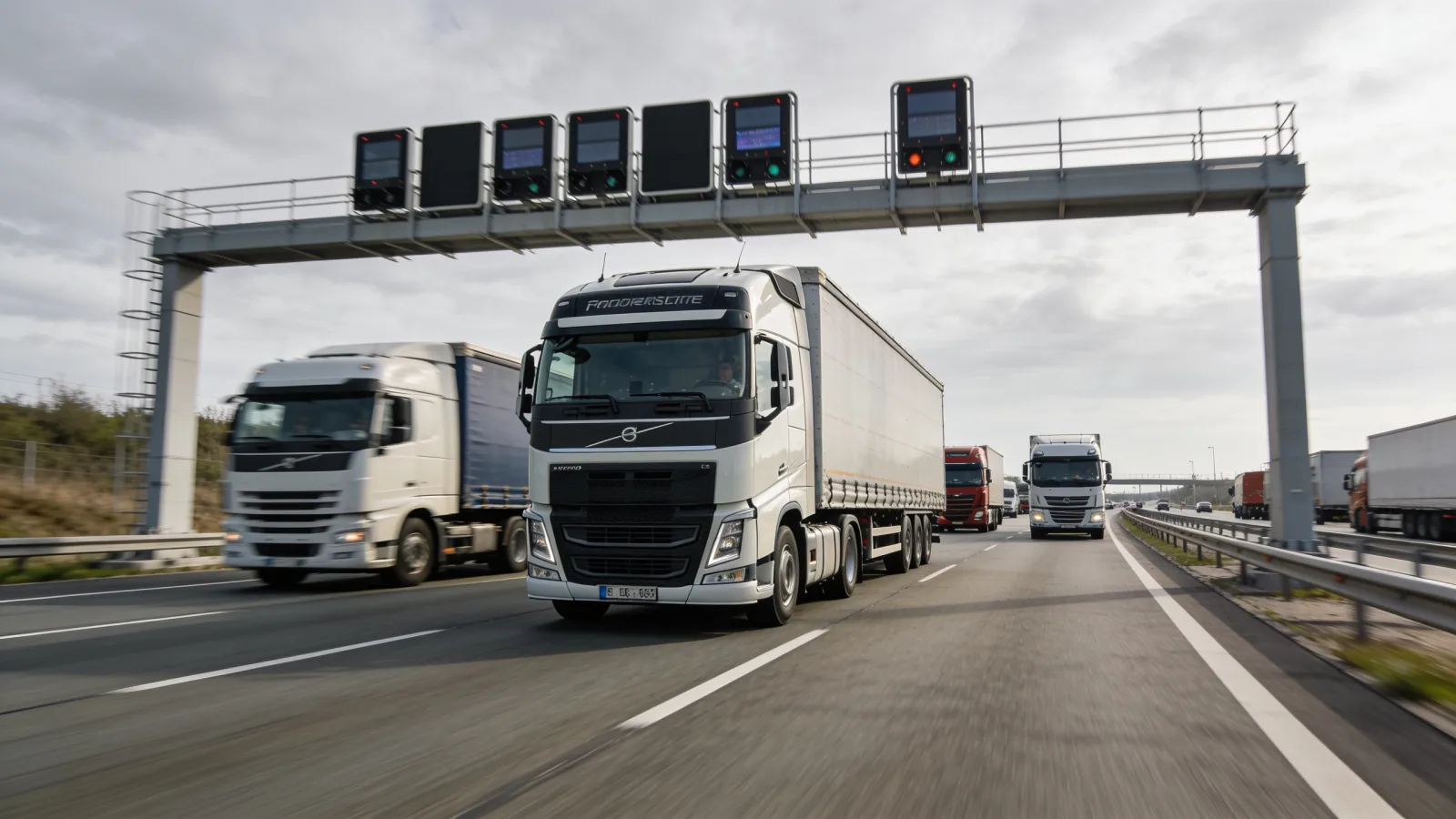
With the introduction of the truck charge on 1 July 2026, the Netherlands joins the distance-based toll model already used by countries such as Germany, Austria, Poland, the Czech Republic, Hungary, Slovakia and Belgium. For international transport, that means further harmonisation: in more and more countries you pay per kilometre driven instead of via a vignette.
Germany clearly shows which way things are heading. Besides a component for infrastructure and for air and noise pollution, the Maut includes a CO2 surcharge of 200 euros per tonne of CO2. The difference by emission class is considerable: a five-axle Euro VI truck in the heaviest class pays an indicative 19 to 21 euro cents per kilometre, while an older Euro V truck quickly ends up at 27 to 35 euro cents. Since the beginning of 2026, fully zero-emission trucks pay only a quarter of the infrastructure component, and their broader exemption has been extended until mid-2031.
Whether it concerns the Dutch charge or the German Maut, the message is the same: the cleaner the vehicle, the lower the cost per kilometre. The emission class has thus shifted from an environmental issue to a hard cost item that you pay on every trip.
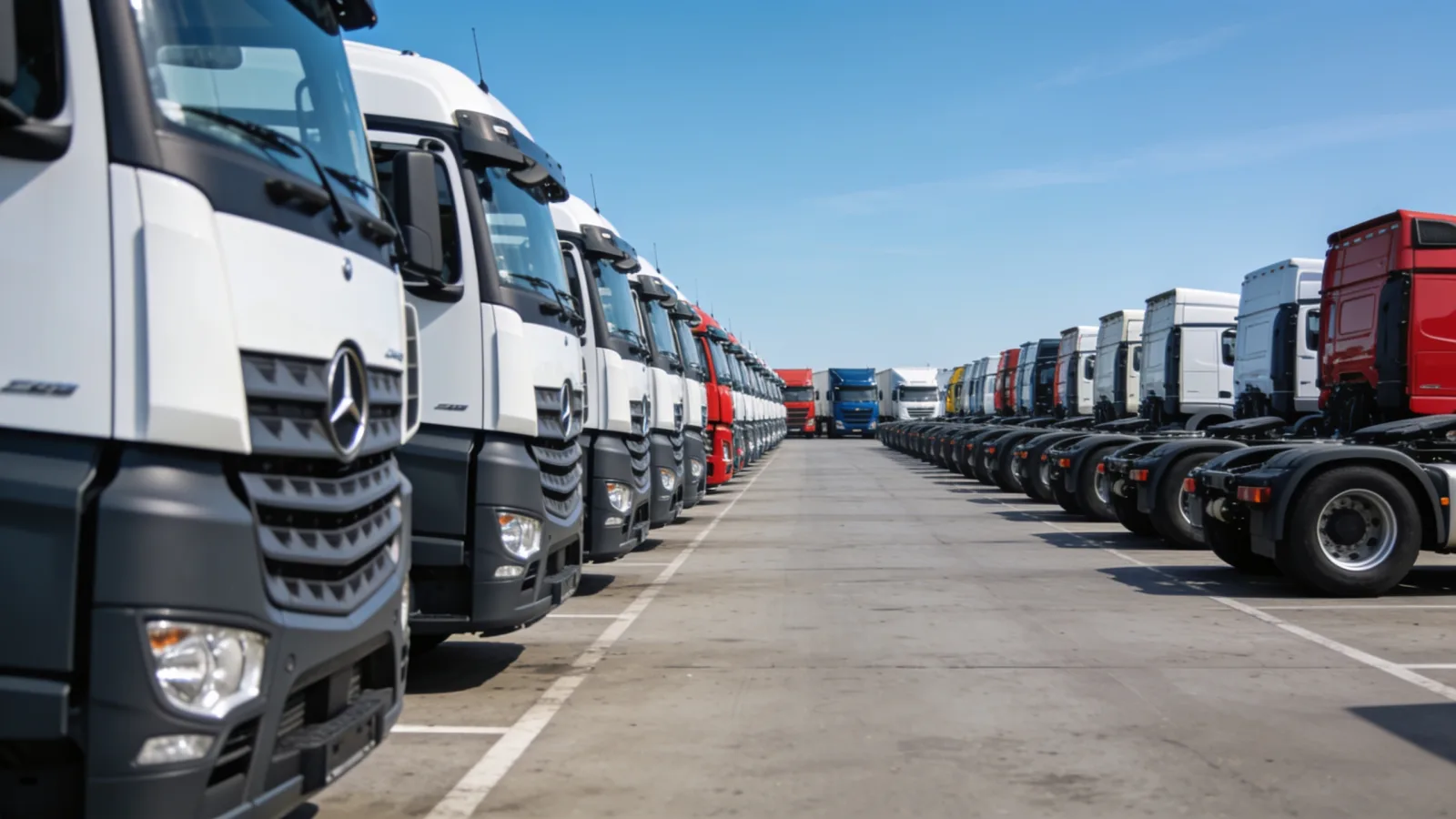
For anyone buying a vehicle, this is important information. A more modern emission class costs more to purchase, but pays for itself on busy international routes through lower tolls and charges. If you mainly drive outside the EU, these rules play no role and reliability weighs more heavily. Our team will help you make that assessment and choose a vehicle that suits the routes you drive.