Geopolitics is driving up diesel prices: what it means for your fleet
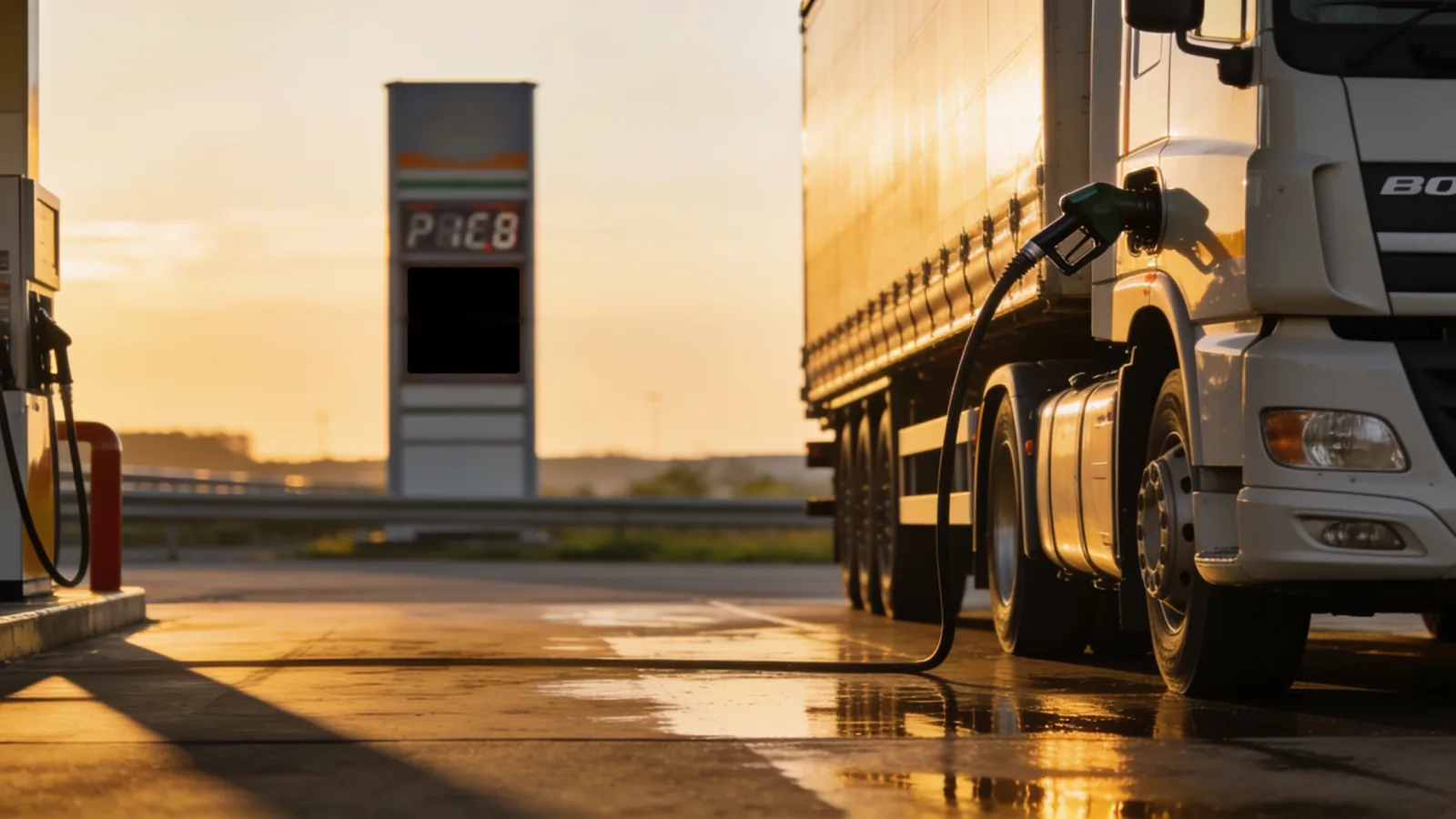
Diesel prices shot up this spring due to tensions in the Middle East. What does this volatility mean for transport operators, and how do you hedge against it?

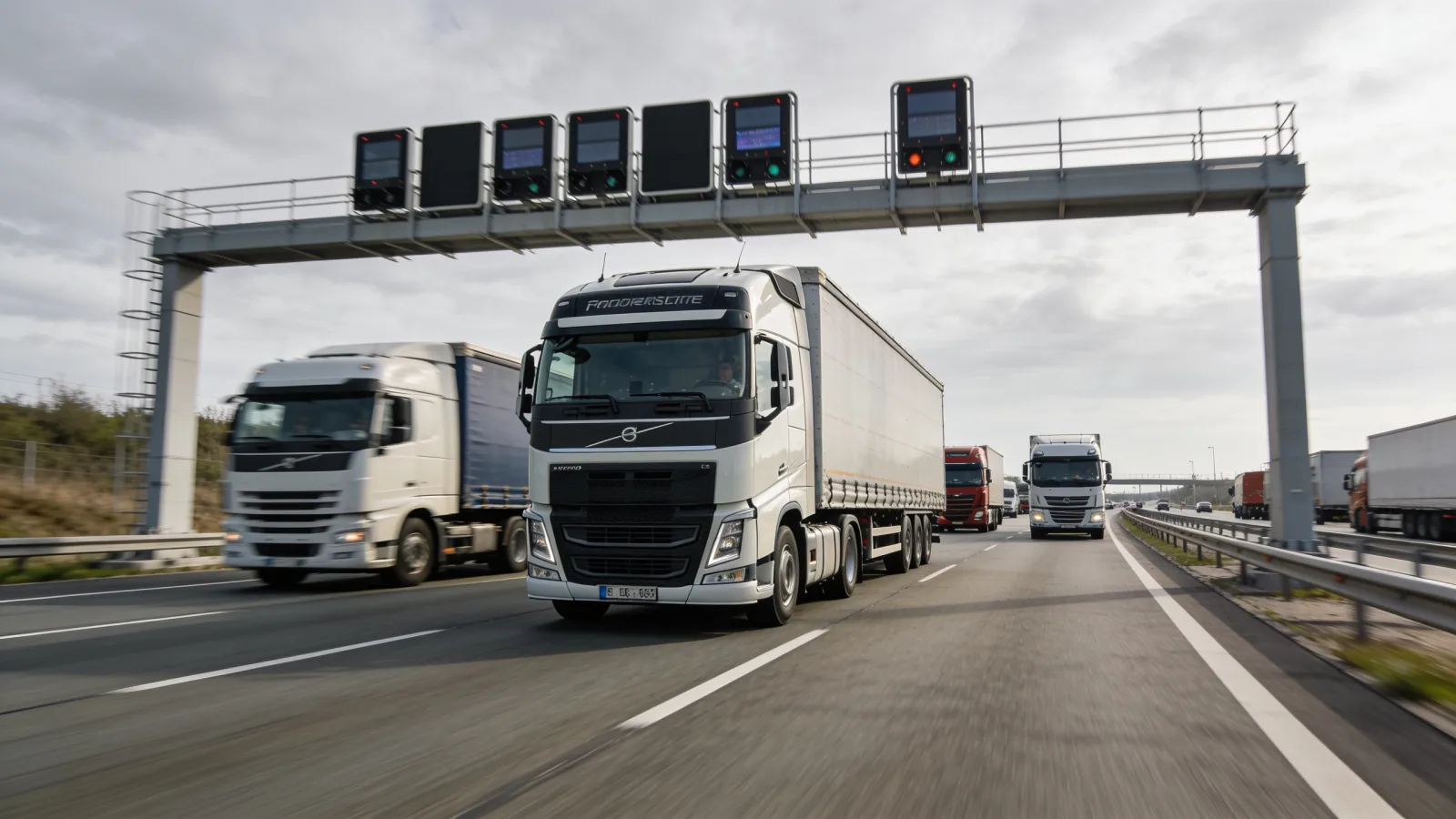
Since 1 July 2026, trucks in the Netherlands have paid a distance-based charge: the truck toll (vrachtwagenheffing). It applies to vehicles heavier than 3,500 kilograms on virtually all motorways and on a number of provincial and municipal roads, the latter to prevent rat-running. More important than the charge itself is how it is structured, because that changes the calculation underlying your fleet.
The average rate in 2026 is 19.1 euro cents per kilometre, but that average hides large differences. The amount is determined by weight and, crucially, emission class. A clean Euro 6 truck up to 16 tonnes pays around 16 euro cents per kilometre; above 32 tonnes this rises to well over 20 euro cents. Fully electric vehicles come out much cheaper, at just a few cents per kilometre. In addition, a temporary discount of 22.3 percent applies from 1 September through 31 December 2026.
The charge does not simply come on top of the existing system. The Eurovignette is abolished for Dutch hauliers, and road tax (motorrijtuigenbelasting) for trucks disappears for vehicles under 12 tonnes and drops considerably for heavier ones. According to the Dutch national government, a substantial part of the revenue, well over 253 million euros for 2026, goes back to the sector: to sustainability and innovation, such as electric and hydrogen trucks and charging infrastructure.
Because the rate moves with emissions, a cleaner truck translates directly into lower costs per kilometre. For hauliers who cover a lot of kilometres, that difference adds up quickly. This gives fleet renewal a clear incentive: driving cleaner now pays off not only in low-emission zones, but on every kilometre driven.
This accelerated renewal carries through to the supply of used trucks:
Not sure which emission class suits your operation or export country? Our team knows the requirements for each market and will help you choose a vehicle that comes out on the right side of the calculation.